
Turnstile Selection Guide for the Brazilian Market: Common Types and Supplier Options
1. Turnstile Applications and Selection Challenges
Turnstiles are widely used in public and commercial facilities where controlled access is required. In Brazil, common applications include designated office areas, residential buildings, metro stations, gyms, swimming pools, and various paid-access facilities.
However, different applications have different requirements in terms of pedestrian traffic, security levels, and budget. With a wide range of turnstile types and brands available on the market, how can you choose the most suitable solution for your project?
This article examines the main types of turnstiles and their advantages and disadvantages, as well as the characteristics of different suppliers, to help you make a more informed decision.
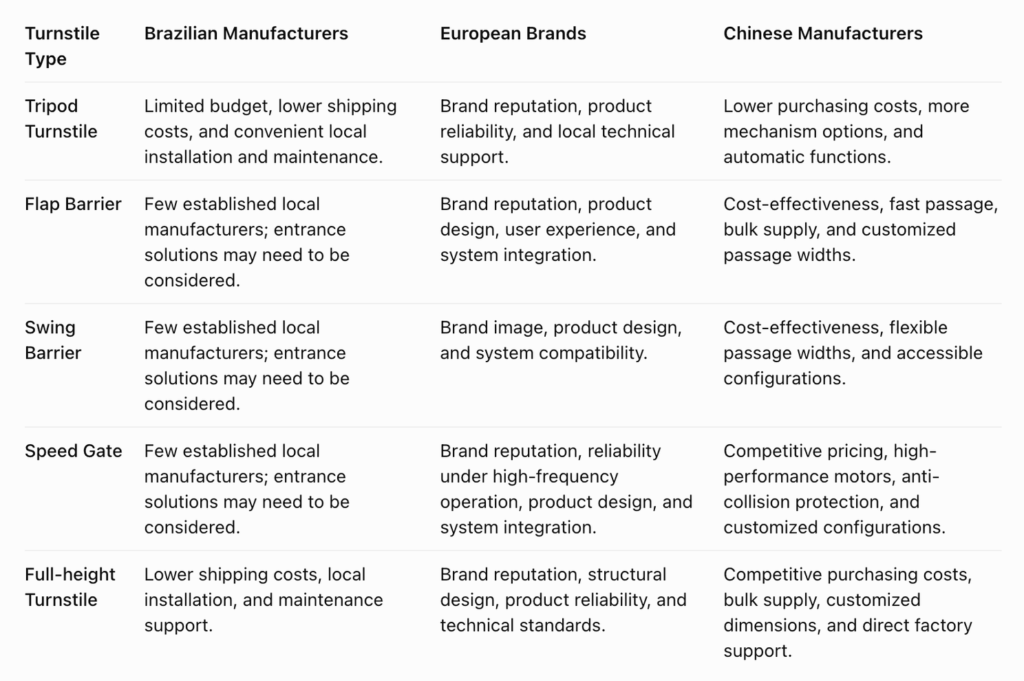
2. Overview of Main Turnstile Types and Their Key Differences
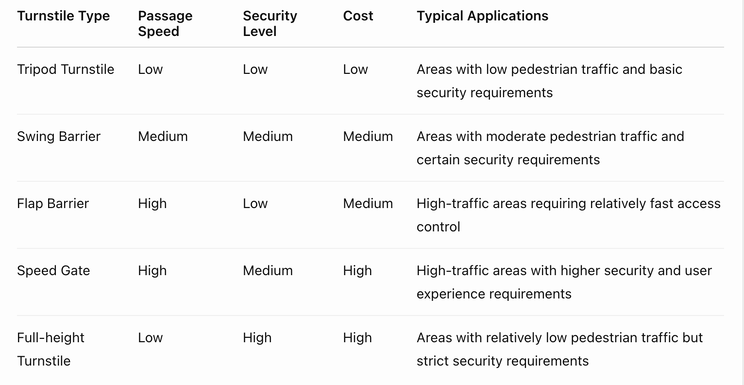
3. Detailed Analysis of Different Turnstile Types
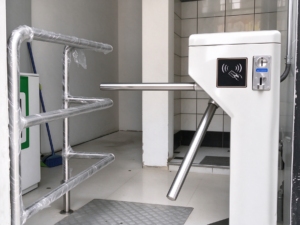
3.1 Tripod Turnstile
Typical applications: Facilities with on-site staff, relatively low pedestrian traffic, basic security requirements, and limited budgets, such as gyms, factories, and construction sites.
The main advantages of tripod turnstiles are their relatively low cost and compact design, which also helps reduce shipping expenses.
However, due to their structural design, there is considerable open space within the passage, making it difficult to prevent people from climbing over the turnstile. In addition, most conventional tripod turnstiles on the market use purely mechanical mechanisms, resulting in relatively slow passage speeds. They also have limitations in preventing tailgating.
Furthermore, standard tripod turnstiles are generally not suitable for wheelchair users. Additional accessible swing gates are usually required in public facilities.
In Brazil, there are several local manufacturers specializing in tripod turnstiles, such as Topdata and Tecnibra. Their products can offer more competitive pricing. However, the thickness of the materials used in the mechanism and the overall structural design can significantly affect product lifespan, so these factors should be carefully evaluated.
To address the limitations of conventional tripod turnstiles, many manufacturers have introduced targeted improvements.
For example, we have developed our own six-disc mechanism design to provide better protection against tailgating through an improved mechanical structure
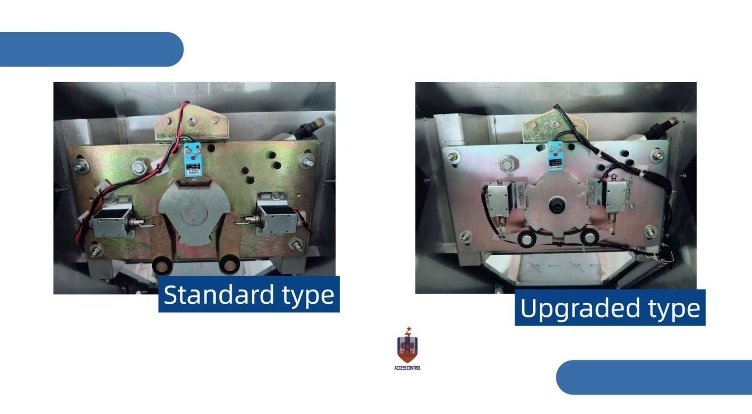
To improve the relatively slow passage speed of traditional tripod turnstiles, we also offer a fully automatic motorized version, which can increase passage speed by approximately 1.5 times. This provides a more economical way to accommodate higher pedestrian traffic.
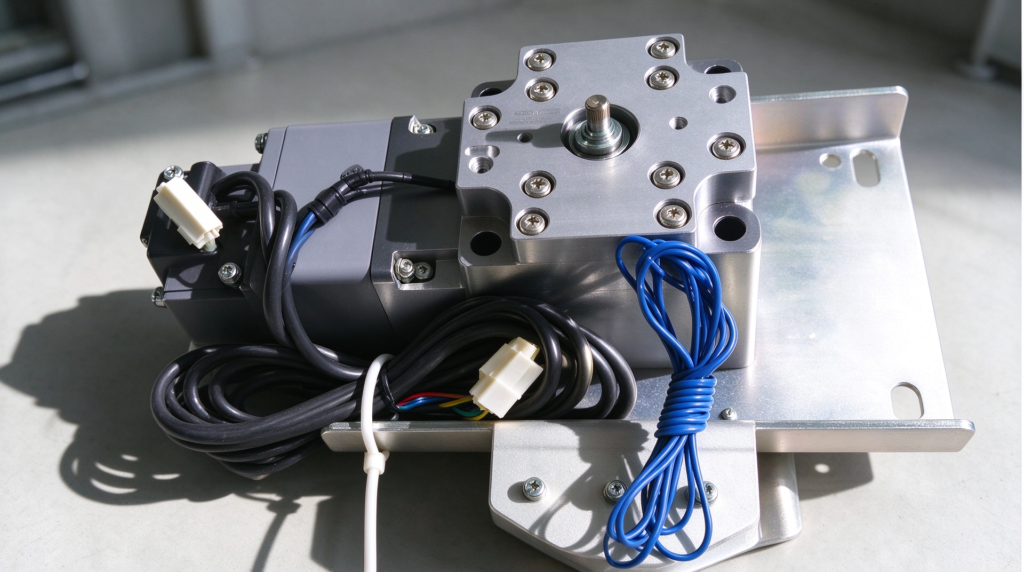
Traditional European brands, such as Digicon and Control iD, also offer their own fully automatic motorized product lines. However, their prices are generally higher than the market average.
Which supplier should you choose?
Limited budget and low pedestrian traffic: Semi-automatic tripod turnstiles from local Brazilian brands can be a cost-effective choice.
Medium budget with higher traffic and security requirements: Chinese manufacturers offer a wider range of designs and mechanism configurations, including mechanical anti-tailgating models and fully automatic motorized versions. You can often get more advanced configurations at a more competitive price.
Higher budget with high traffic and strict security requirements: Traditional European brands such as Digicon and Nice are worth considering, especially if fast local support is a priority.
3.2 Flap Barrier
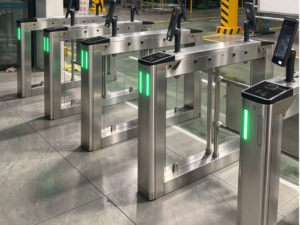
Flap barriers are mainly used in facilities with high pedestrian traffic that require centralized and rapid access verification, such as schools, cafeterias, and metro stations.
Thanks to their sliding-door design, flap barriers have a much shorter opening and closing travel distance than many other types of turnstiles.
Their main advantage is their high passage speed, making them a good choice for locations where large numbers of people need to pass through quickly.
However, their structural design leaves relatively large open spaces at both the upper and lower sections, making it difficult to prevent people from climbing over them. This can also affect their overall security level.
In addition, standard passage widths on the market are generally around 600 mm, which may not be suitable for wheelchair users.
The security performance of flap barriers is therefore largely influenced by the number of infrared sensor pairs installed.
Our standard configuration includes 6–8 pairs of infrared sensors. In the event of tailgating or forced entry, the turnstile can detect the situation and trigger an alarm.It also features dual anti-pinch protection through infrared sensors and motor current detection, providing added safety for elderly people and children
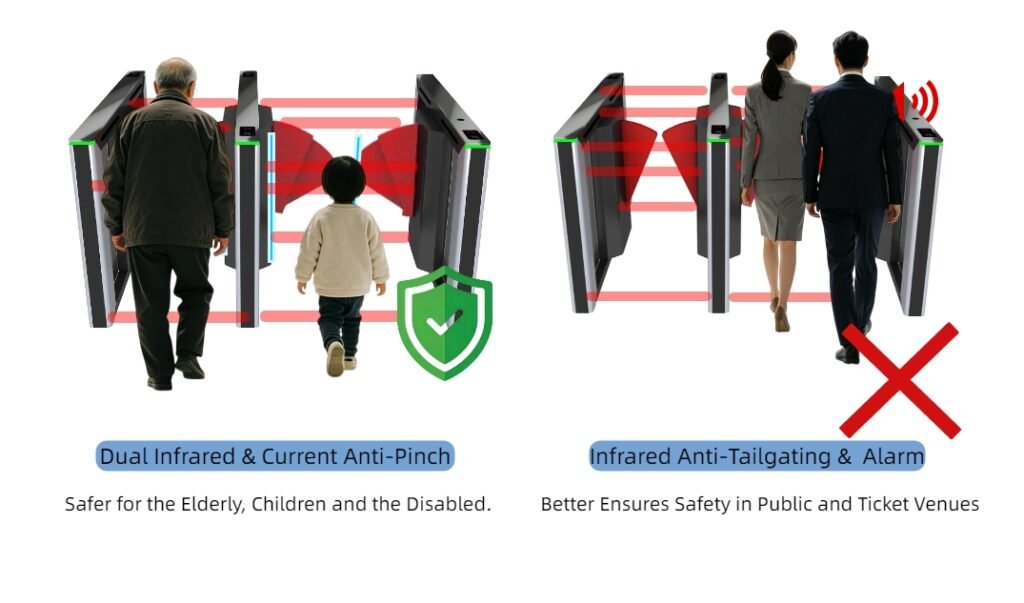
We also offer double-wing configurations with a passage width of up to 900 mm to accommodate wheelchair users.
In the Brazilian market, flap barrier manufacturers mainly come from China and Europe. Chinese manufacturers generally offer greater flexibility in pricing, bulk supply, and customized configurations, while European manufacturers have advantages in product design and technical standardization
3.3 Swing Barrier
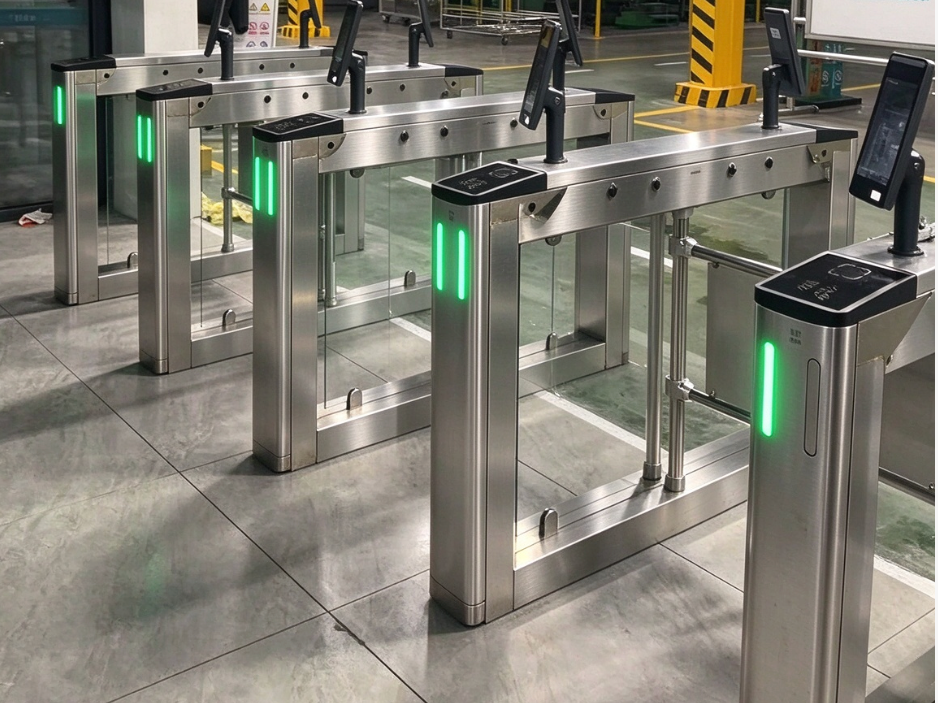
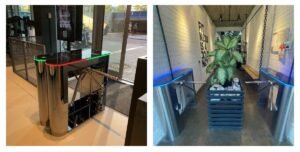
Swing barriers are commonly used in public facilities with relatively high pedestrian traffic that require more flexible access control, such as residential buildings and hospitals.
Their main advantages include an attractive appearance, convenient passage, and relatively high passage speed.
They also offer greater flexibility in adjusting passage widths, making them suitable for different types of users. Their passage design can provide better access control compared with tripod and flap barriers.
However, swing barriers generally come with higher costs and are more commonly used in public facilities with relatively high pedestrian traffic.
In the Brazilian market, swing barrier manufacturers mainly come from China and Europe.
Chinese manufacturers, such as ZKTeco and Hikvision, generally offer products in the mid-range price segment, making them relatively cost-effective options.
Traditional European brands tend to position their swing barriers at a higher price level.
If you are looking for a more cost-effective configuration, Chinese manufacturers are worth considering.
3.4 Speed Gate
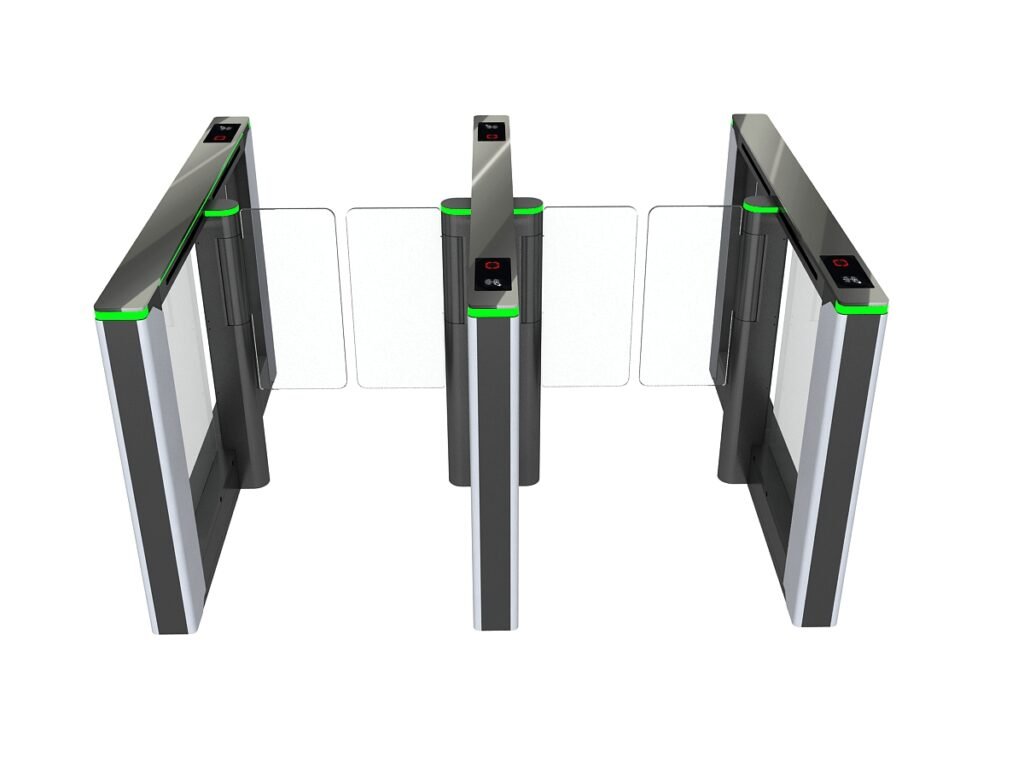
Speed gates are mainly used in facilities with extremely high pedestrian traffic and strict requirements for both entrance appearance and access security, such as corporate headquarters, commercial office buildings, and financial institutions.
Compared with swing barriers, speed gates generally offer faster passage and can provide users with a smoother overall experience.
However, they also come at a higher price.
Due to the demanding operating conditions and high-frequency usage, motor configuration plays a significant role in determining the service life of a speed gate. Different motor configurations can also result in substantial price differences.
Speed gates have traditionally been a strong product category for European manufacturers. However, Chinese manufacturers have also been continuously improving product lifespan and user experience.
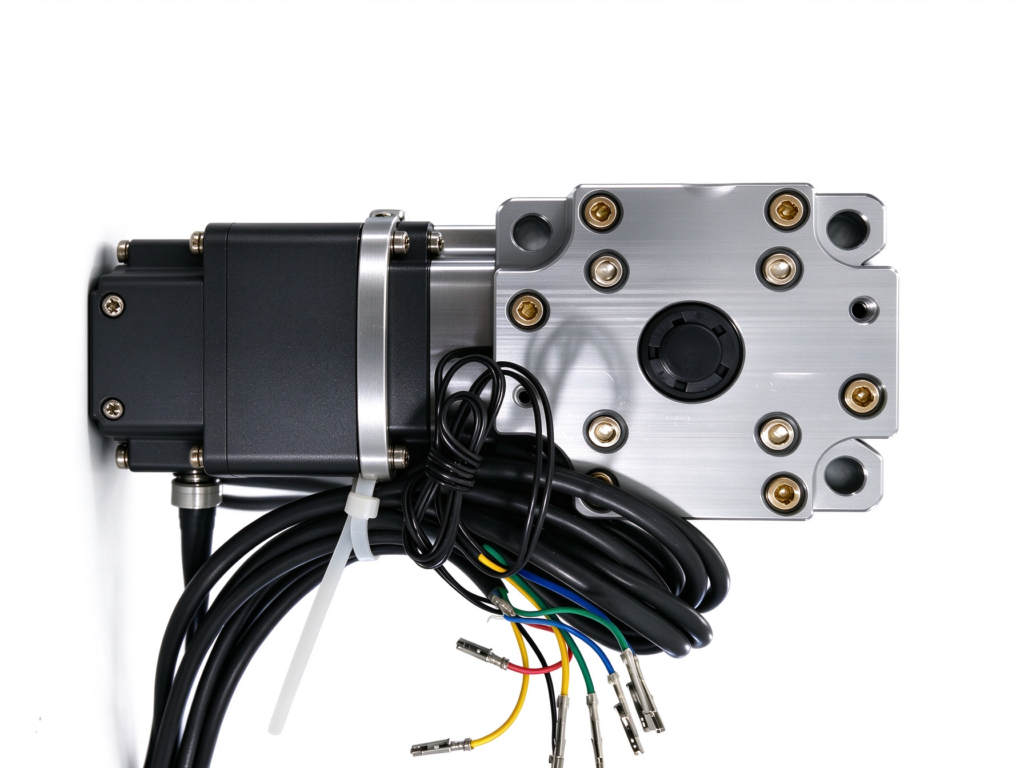
In terms of service life, our clutch motor can support up to 10 million operating cycles under high-frequency operation. It can also accommodate wider and taller passage configurations.
In terms of user experience, we have also introduced a clutch motor design that provides better protection against accidental impacts. This helps ensure smoother operation while reducing maintenance costs.
3.5 Full-height Turnstile
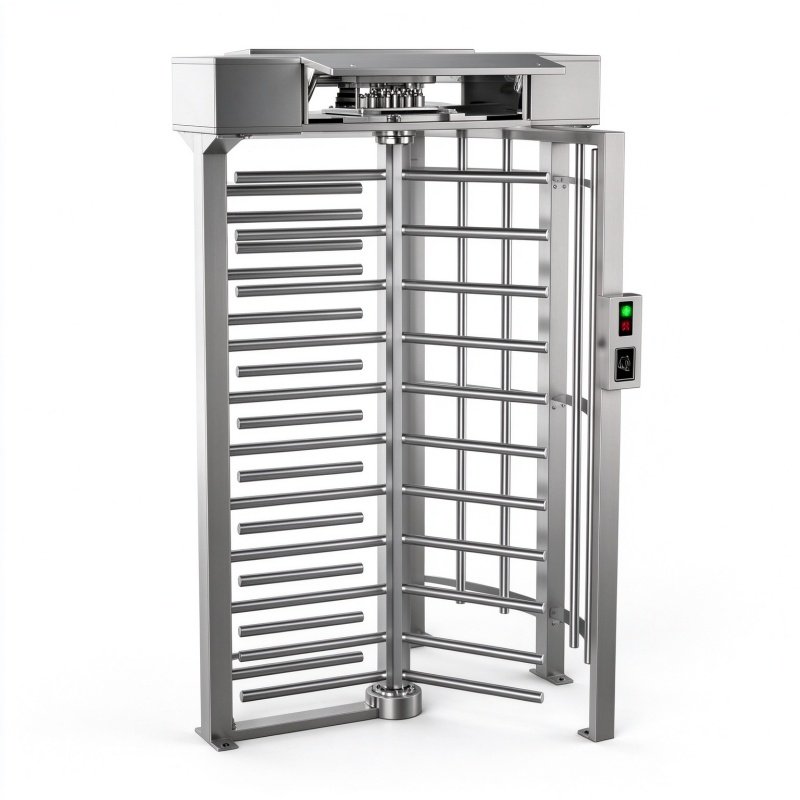
Full-height turnstiles are mainly used in military facilities, border control areas, stadiums, and other locations with strict access security requirements.
Their main advantage is the full-height barrier structure, which effectively prevents people from climbing over the turnstile and helps reduce unauthorized access.
However, full-height turnstiles are relatively large and heavy, requiring more installation space and resulting in higher transportation and installation costs.
They are also less convenient for wheelchair users and people carrying large items. Therefore, an additional accessible passage or swing gate is usually required.
In the Brazilian market:
Local manufacturers offer advantages in transportation, installation, and after-sales service.
Chinese manufacturers provide greater flexibility in direct factory supply, bulk purchasing, and customization.
European manufacturers have advantages in product design, technical standardization, and system integration.
5. Key Considerations When Selecting Turnstiles for Your Project
To summarize, here are some basic recommendations based on different project requirements:
Low pedestrian traffic, basic security requirements, and a limited budget: Tripod turnstiles are a suitable option.
High pedestrian traffic, a strong focus on passage speed, a relatively high budget, and regular on-site supervision: Flap barriers can be a good choice.
Moderate pedestrian traffic with a focus on appearance and convenience: Swing barriers offer a practical and cost-effective solution.
High pedestrian traffic with a need to balance speed and security, and a higher budget: Speed gates are worth considering.
Strict security requirements as the top priority, with a relatively high budget: Full-height turnstiles are a suitable choice.